
Vitamin C has remained one of the most celebrated ingredients in skincare for decades, but in 2026, its formulations, delivery methods, and usage techniques have become more advanced and science-backed. Vitamin C serum is renowned for its ability to brighten the skin, reduce pigmentation, combat free radicals, and boost collagen production. However, using it correctly is essential to achieve maximum results.
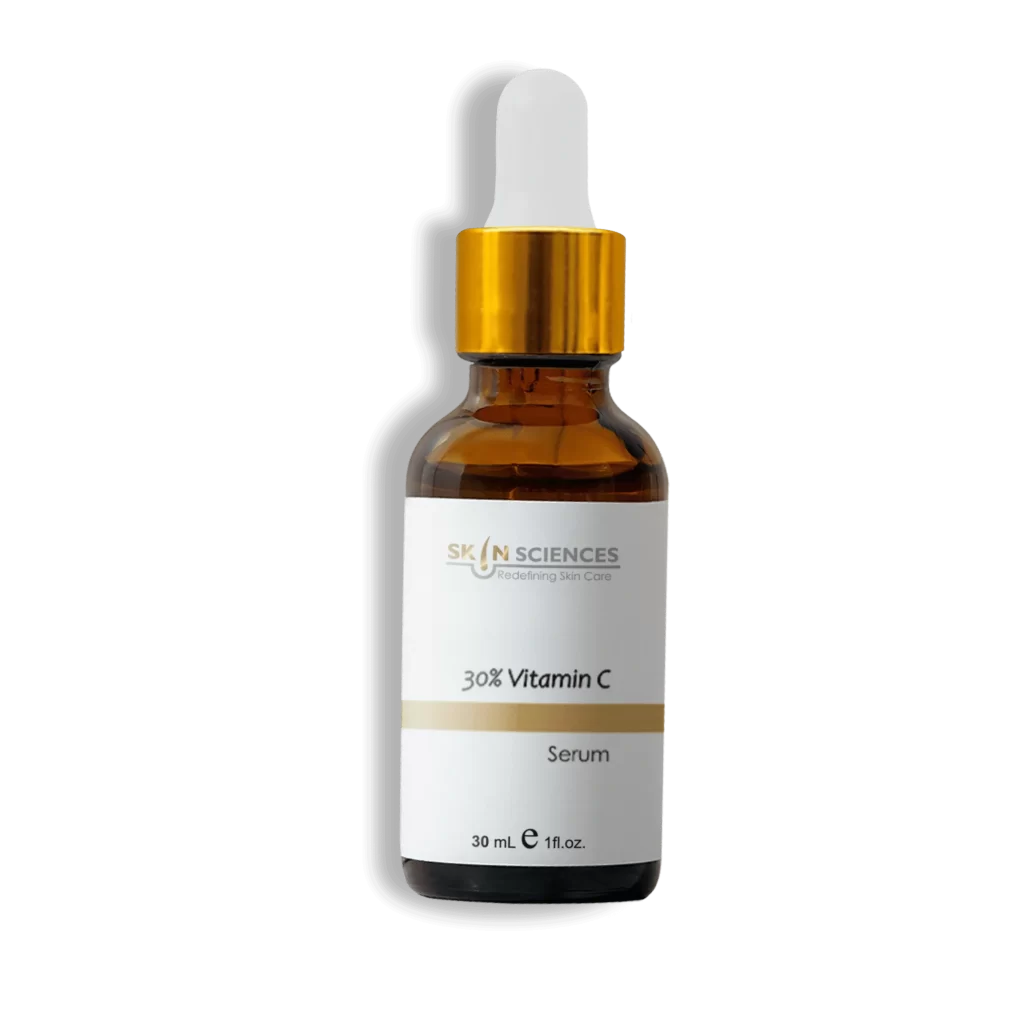
This article will guide you through everything you need to know about the skin sciences, best vitamin c serum in Pakistan, including its benefits, the right application routine, combination with other products, and tips for long-term skin health.
The Importance of Vitamin C Serum in 2026 Skincare
Skin sciences, best vitamin c serum in Pakistan, also known as ascorbic acid, is a powerful antioxidant that protects the skin from free radical damage caused by UV rays, pollution, and environmental stressors. In 2026, dermatologists emphasize that Vitamin C serum is not just an optional skincare step; it is a cornerstone for anyone seeking radiant and youthful skin.
The benefits include:
- Brightening dull skin: Vitamin C inhibits melanin production, which helps reduce dark spots and promotes an even skin tone.
- Anti-aging effects: It stimulates collagen synthesis, improving skin elasticity and reducing fine lines and wrinkles.
- Sun damage protection: While not a replacement for sunscreen, Vitamin C neutralizes free radicals generated by UV exposure.
- Hydration support: Modern formulations in 2026 combine Vitamin C with hydrating ingredients like hyaluronic acid for plump and moisturized skin.
- Skin barrier improvement: It strengthens the skin’s natural barrier, making it more resilient to environmental damage.
Expert Tips for Choosing a Vitamin C Serum That Works
Before discussing application, it’s important to select a serum that suits your skin type and goals. In 2026, Vitamin C serums vary in concentration, formulation, and additional ingredients.
1. Concentration:
- Beginners may start with 10–15% Vitamin C.
- Regular users looking for stronger results can choose 20% or higher.
2. Formulation:
- L-ascorbic acid: The most potent and well-researched form.
- Sodium ascorbyl phosphate or magnesium ascorbyl phosphate: Gentler on sensitive skin.
- Vitamin C derivatives: Often combined with other antioxidants like Vitamin E or ferulic acid for stability and enhanced benefits.
3. Additional Ingredients:
- Hyaluronic acid for hydration
- Niacinamide for pigmentation control
- Ferulic acid or Vitamin E for antioxidant synergy
4. Packaging:
Vitamin C is sensitive to light and air. Opt for dark-colored or airless pump bottles to maintain potency.
How to Apply Vitamin C Serum for Best Results
Step 1: Cleanse Your Skin
Start with a gentle cleanser to remove dirt, oil, and makeup. Clean skin allows Vitamin C to penetrate more effectively.
Step 2: Tone (Optional)
If you use a toner, apply it before Vitamin C serum. Toners that balance pH and lightly exfoliate can enhance absorption. Avoid toners with high alcohol content, which can irritate skin.
Step 3: Apply Vitamin C Serum
- Use 2–3 drops for the entire face.
- Gently pat the serum onto the skin using fingertips. Avoid rubbing, as Vitamin C can oxidize faster when exposed to air and friction.
- Focus on areas with dark spots, fine lines, or dullness.
Step 4: Layer Other Treatments
After the serum absorbs (usually 1–2 minutes), you can apply other treatment products like:
- Moisturizers for hydration
- Eye creams for delicate areas
- Spot treatments for acne or pigmentation
You Should Know:Tip: Avoid applying Vitamin C immediately after acids like AHA/BHA or retinol to prevent irritation, especially for sensitive skin.
Step 5: Apply Sunscreen
Vitamin C enhances sun protection but is not a replacement for sunscreen. Always finish your morning routine with a broad-spectrum SPF 30+ sunblock.
When Is the Best Time to Use Vitamin C Serum?
While Vitamin C serum can be used both morning and evening, dermatologists in 2026 recommend:
- Morning: Protects against UV damage and pollution throughout the day.
- Evening: Aids skin repair and collagen synthesis while sleeping.
You Should Know:For best results some people use it twice daily, but start with once daily to assess tolerance.
Avoid These Vitamin C Serum Mistakes for Better Results
- Using Too Much Serum: Excessive Vitamin C can cause irritation or peeling. Stick to recommended drops.
- Skipping Sunscreen: Vitamin C alone cannot replace SPF; sun exposure can reduce effectiveness.
- Mixing Incompatible Ingredients: Avoid layering Vitamin C directly with strong acids or pure retinol without spacing them.
- Ignoring Storage Instructions: Exposure to light, heat, or air can oxidize Vitamin C, making it less effective.
- Not Being Consistent: Benefits require consistent daily use over weeks to months.
Best Ingredients to Use with Vitamin C Serum
2026 skincare trends emphasize synergistic combinations for maximum effectiveness:
- Vitamin C + Vitamin E + Ferulic Acid: Enhances antioxidant protection and brightening effect.
- Vitamin C + Hyaluronic Acid: Boosts hydration and plumpness.
- Vitamin C + Niacinamide: Reduces pigmentation and improves skin texture.
Tip: Introduce combinations gradually and monitor skin reaction.
How to Pick Vitamin C Serum Based on Skin Type
1. Dry Skin: Choose serum with hydrating ingredients like hyaluronic acid or glycerin to prevent dryness.
2. Oily/Acne-Prone Skin: Lightweight, water-based serums absorb quickly and minimize shine.
3. Sensitive Skin: Use gentle Vitamin C derivatives like sodium ascorbyl phosphate and start with lower concentrations.
4. Mature Skin: Higher concentration Vitamin C combined with peptides can target fine lines and sagging.
Long Term Benefits of Regular Vitamin C Serum Use
- Brighter complexion: Reduces dullness and evens skin tone.
- Fewer dark spots: Helps fade hyperpigmentation caused by sun exposure.
- Anti-aging: Improves firmness and elasticity through collagen production.
- Protection from environmental damage: Neutralizes free radicals from pollution and UV rays.
- Healthier skin barrier: Strengthens skin, reducing sensitivity and redness.
Tips to Boost the Effectiveness of Vitamin C Serum
- Store serum in a cool, dark place.
- Apply consistently every morning (or morning + evening).
- Use the right concentration for your skin type.
- Pair with sunscreen and moisturizer.
- Be patient — results usually appear after 4–6 weeks of consistent use.
Key Summary
Vitamin C serum remains a cornerstone of modern skincare in 2026, thanks to its ability to brighten skin, reduce pigmentation, fight free radicals, and improve elasticity. For maximum results, it is important to:
- Choose the right concentration and formulation for your skin type
- Apply correctly after cleansing (and before moisturizer and sunscreen)
- Use in combination with compatible skincare ingredients
- Protect skin from sun exposure with SPF
- Store and handle serum properly to prevent oxidation
You Should Know:With consistent use, Vitamin C serum can transform your skin, making it brighter, firmer, and healthier.
Check Out Our Site: https://skinsciences.com.pk
Vitamin C Serum: Expert Answers to Your Questions
1. Can I use Vitamin C serum with retinol?
Yes. but apply them at different times. Retinol is best used at night while Vitamin C works well in the morning.
2. How long does it take to see results?
Visible results usually appear after 4–6 weeks of consistent use, depending on skin type and concerns.
3. Can Vitamin C serum prevent wrinkles?
Yes. by boosting collagen production, it helps reduce fine lines and maintain skin elasticity.
4. Is a higher concentration better?
Not always. Start with 10–15% for beginners. Higher concentrations (20%) can be used gradually if tolerated.
5. Can sensitive skin use Vitamin C serum?
Yes. but choose gentle derivatives like sodium ascorbyl phosphate and patch test first.